
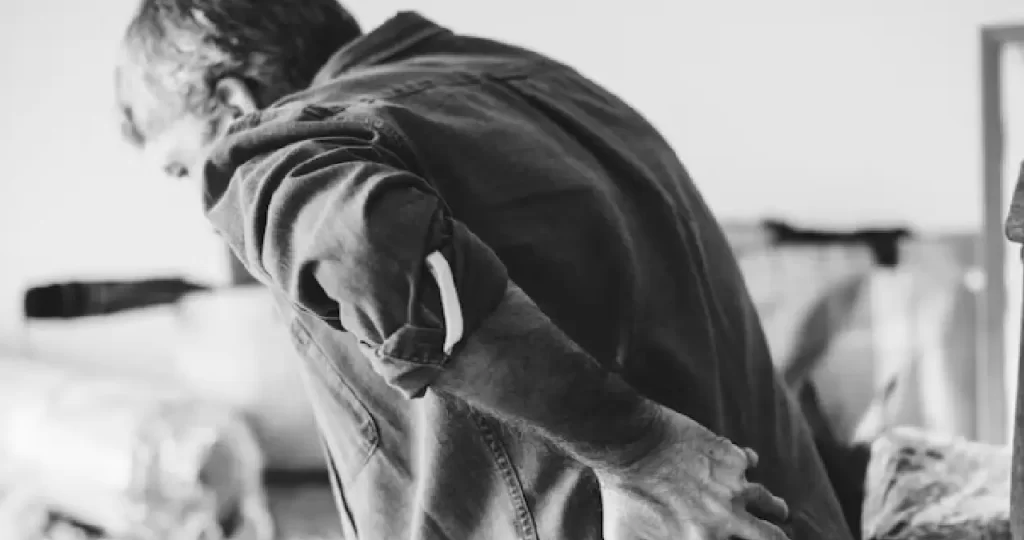
Chronic Regional Pain Syndrome, the full form of CRPS, is a chronic pain disorder. This is a type of syndrome that basically refers to an accident or injury.It is characterized by intense, persistent pain that can be debilitating. This significantly impacts an individual’s quality of life. Understanding CRPS is essential for those facing its symptoms, along with their family, friends, and healthcare professionals involved in the recovery journey.
Here are seven important facts that you must know about CRPS following an accident.
1. Understanding CRPS
Chronic Regional Pain Syndrome usually develops after an injury, like a fracture or joint damage. CRPS is usually linked to intense pain, swelling, variations in color and temperature, and changes in the impacted region. It is thought to arise from an atypical reaction of the nervous system, possibly resulting in intense symptoms.
Suppose you’re from California and struggling with the impact of CRPS. In that case, consult a seasoned California CRPS lawyer who can help guide the legal complexity surrounding compensation. It’s actually happened, especially if the injury was due to neglect. A familiar lawyer can help safe the required approval for medical treatments and long-term care.
2. Symptoms May Differ Dramatically
While major pain is frequently characterized as burning is the main symptom of CRPS. Here, the additional signs may involve something better in the skin, like different colors, swelling, or increased sensitivity to touch. Many people might experience joint stiffness, muscle spasms, and reduced movement in the affected limbs.
3. Early Diagnosis is Key
Timely diagnosis and recognition of CRPS would greatly improve treatment results. However, it’s crucial to identify the symptoms and seek medical advice right away if they appear following an accident. Diagnosis is mainly based on a clinical assessment and imaging studies to clarify other conditions.
4. Multi-Faceted Treatment Approach
There is no versatile treatment for CRPS. It is a treatment that mainly requires a holistic approach. Methods can be used to address problems that involve drugs to alleviate discomfort. Techniques can be used to treat conditions involving medications to reduce pain. These are also applicable for physical therapy to enhance mobility.
5. The Role of Rehabilitation
Physical therapy is essential in controlling symptoms and restoring function in people with CRPS. A personalised rehabilitation plan can aid in regaining strength. Also, deal with the psychological effects of regular pain.
6. Potential for Long-Term Effects
There are countless patients who might recover after suffering from CRPS. But you also need to consider that others might have long-term issues. Who are not recover from the pain might face complications, including muscle atrophy and irreversible alterations in limb functionality. Patients should stay informed about their situation and team with medical experts to observe their improvement.
7. Education and Support Count
CRPS is an isolating experience. Here, the help of family, friends, and support groups is much needed. This situation can make a large difference. Education on the condition is equally important not just for patients but also for their loved ones. So they can know about the Chronicity of CRPS and how to keep them in the best way possible.
Conclusion
Knowing all these facts about CRPS can authorise sufferers and better guide them in their healing process following an accident. The best practice is to take preventive steps to stop accidents. Thus, you won’t have to take the life-altering effects, including CRPS, too.